
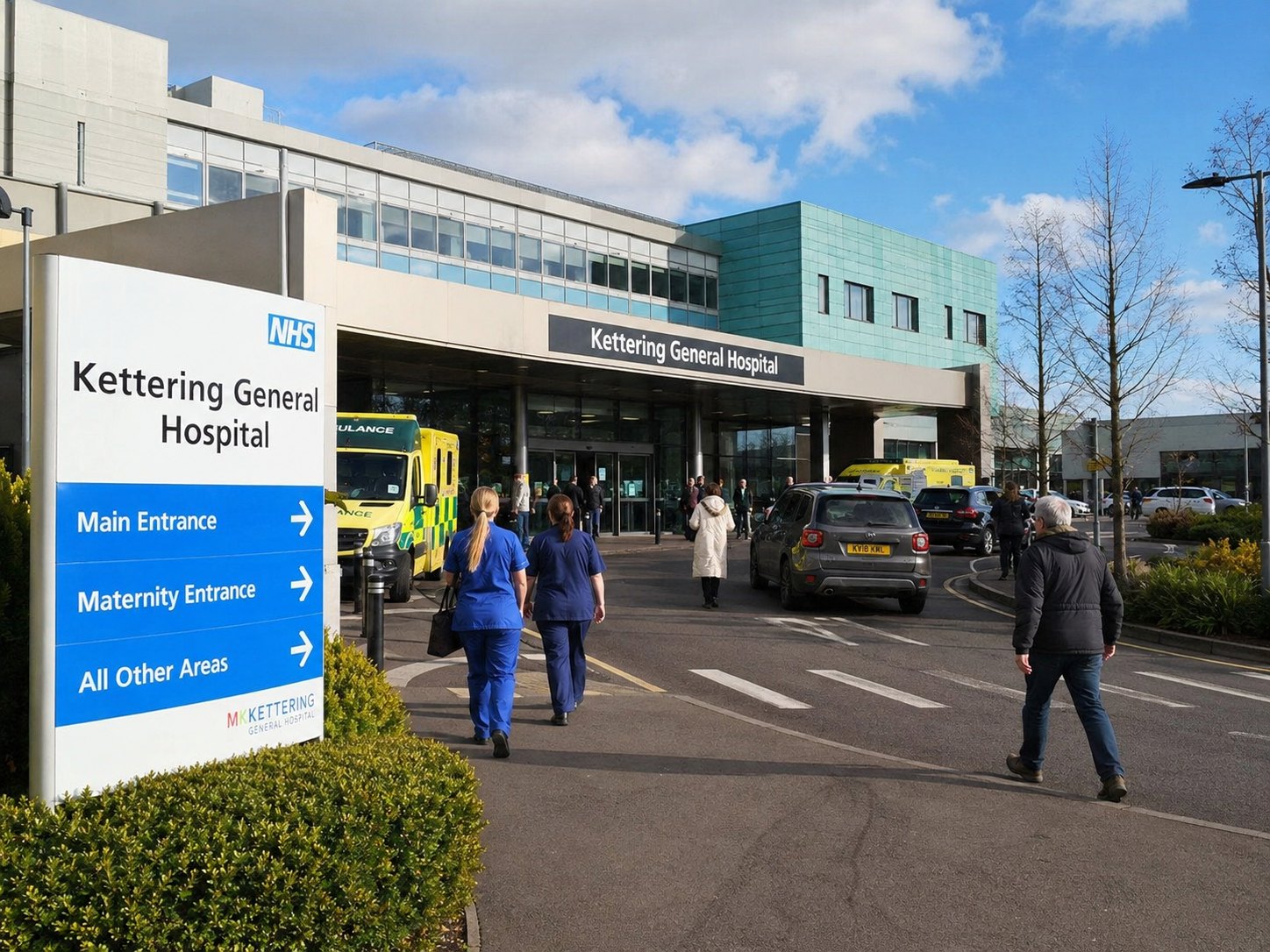
KETTERING GENERAL HOSPITAL AND
NORTHAMPTON GENERAL HOSPITAL
Challenge
Both Kettering General Hospital and Northampton General Hospital were operating legacy TDSi Exgarde access control systems, with the software and associated hardware approaching end-of-life. With TDSi support for Exgarde due to cease on 1 May 2027, the priority was to migrate both hospitals to the modern TDSi GARDiS platform well ahead of this deadline.
Alongside the core migration requirement, several additional challenges needed to be addressed:
- Legacy controller infrastructure: The existing controllers were deployed across a complex hospital environment and required significant enabling works. Existing communication/data lines needed to be systematically broken down and reconfigured to ensure compatibility with GARDiS and maintain system stability within a live healthcare environment.
- Ageing access control hardware: A number of legacy controllers required lifecycle replacement, particularly within critical areas. However, upgrading these controllers to the latest technology was restricted by compatibility issues with the existing Exgarde platform.
- Access control configuration: The existing user groups, permissions and door management arrangements required a comprehensive review to ensure they reflected the hospitals' current operating procedures while maintaining an appropriate balance between security and operational flexibility.
- Future lockdown requirements: The client wanted to establish the capability to implement effective lockdown procedures within critical areas, supporting future compliance requirements associated with Martyn's Law. The existing Exgarde platform did not provide an easily scalable or seamless solution for this requirement.
- Maintaining a live healthcare environment: One of the project's greatest challenges was maintaining the existing access control systems throughout the migration while simultaneously introducing the new GARDiS platform. This had to be achieved without compromising security, patient care, clinical operations or site availability.
Solution
Working in partnership with the client, key stakeholders and TDSi, a phased and agile approach was adopted to deliver the migration with minimal disruption to hospital operations.
Key elements of the solution included:
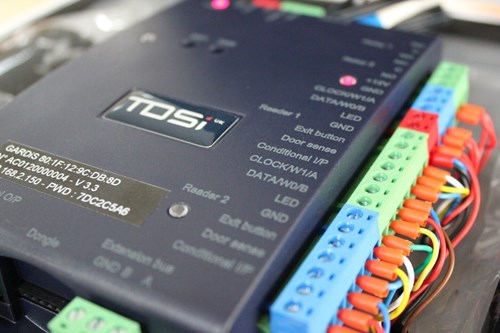
- Implementation of TDSi GARDiS 3.x across both hospitals, providing a modern, supported access control platform with a clear pathway for future development.
- Deployment of new virtual servers, incorporating current supported Windows operating systems and SQL infrastructure, aligned with the client's wider IT strategy.
- Agile project management and delivery, allowing the programme to be planned and delivered in manageable phases while responding to the operational requirements of a live healthcare environment.
- Restructuring of users and access groups, reviewing and rationalising permissions to align the access control system with the client's current operating model and security requirements.
- Systematic migration of communications infrastructure, with existing communication lines progressively broken down and reconfigured to support the new GARDiS architecture.
- Controller firmware upgrades and lifecycle management, ensuring existing compatible controllers were brought up to the required firmware levels while addressing battery lifecycle requirements.
- Introduction of next-generation GARDiS controllers into strategically important areas, providing improved capability and establishing a foundation for future system expansion and enhanced security functionality.
- Phased migration and coexistence, enabling the legacy and new platforms to operate safely during the transition and ensuring critical hospital operations remained protected throughout the programme.
More on the solution: TDSi GARDiS Pro Software

“Working with Check Your Security to take ownership of and support the access control upgrade from initial concept through to operational delivery has been a pleasure. As with any major project across KGH and NGH, there is a strong focus on ensuring that patient care is disrupted as little as possible while maintaining the safety and security of staff, patients and visitors throughout the changes.
The team’s collaborative approach, understanding of the healthcare environment and commitment to delivering the project with minimal disruption have been invaluable throughout the programme.”
-Craig Catterick, UHN Head Of Shared Services
“Taking over and delivering a security systems upgrade of this scale within a healthcare environment carries a significant level of responsibility, particularly when the project involves two hospitals being delivered simultaneously.
With more than 20 years’ experience in asset management, lifecycle planning and security systems within the healthcare sector, we understand the complexities and operational sensitivities involved. This experience has enabled us to develop an approach that focuses on reducing risk and minimising disruption, while ensuring our clients can confidently adopt new technologies that meet both their current operational requirements and future needs.
Our priority throughout the project was to provide a controlled, structured and sustainable transition, protecting the client’s existing investment while creating a platform capable of supporting the evolving demands of modern healthcare.”
- Clinton Button, Managing Director of Check Your Security